
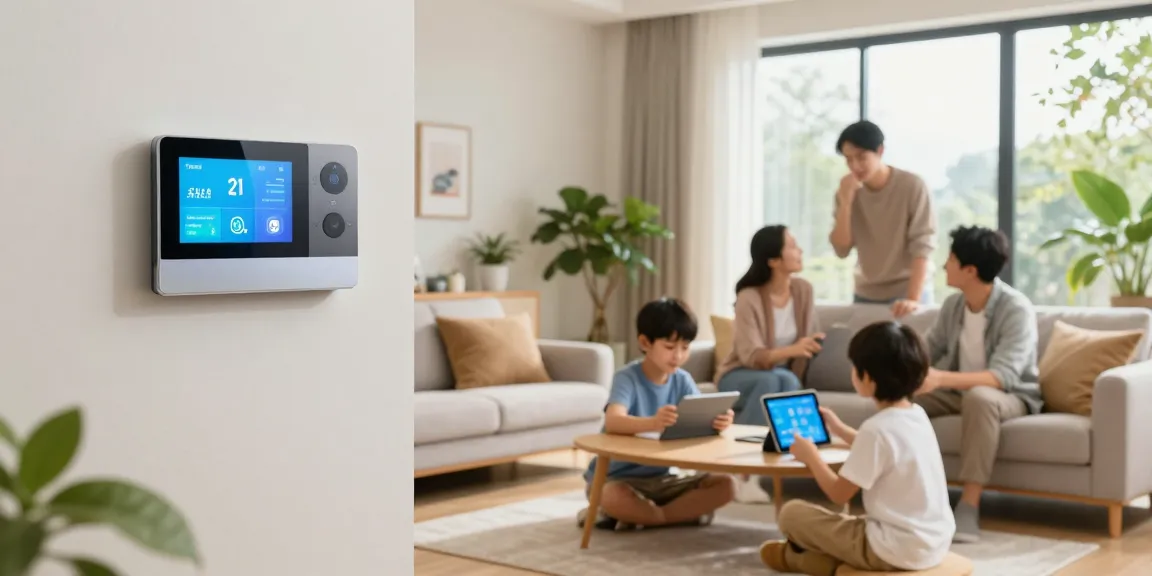
Understanding Smart Thermostats
As smart home technology continues to evolve, one device stands out for its ability to enhance energy efficiency and comfort in homes: the smart thermostat. As we delve deeper into this increasingly popular device in 2026, it’s essential to understand what a smart thermostat is, how it operates, and the benefits it brings over traditional thermostats. When exploring options, smart thermostat solutions can significantly enhance your home environment.
What is a Smart Thermostat?
A smart thermostat is a sophisticated device that not only allows you to control the temperature of your home remotely but also learns your habits and preferences. Unlike traditional thermostats, which merely respond to temperature changes, smart thermostats utilize sensors and Wi-Fi connectivity to adjust your heating and cooling systems automatically. This means that you can maintain comfort in your home while also saving energy and reducing utility bills.
How Smart Thermostats Work
Smart thermostats operate through a combination of hardware and software. They feature built-in sensors that detect your home’s current temperature and can communicate with your HVAC system via Wi-Fi. Here’s a breakdown of their functionality:
- Remote Access: Control your thermostat from anywhere using a smartphone app, making it easy to adjust settings while you’re away from home.
- Learning Algorithms: Many smart thermostats learn your daily routines—like when you leave for work and when you return—allowing them to automatically adjust the heating and cooling to match those patterns.
- Energy Reports: They often provide insights into your energy usage, helping you identify ways to save.
Benefits Over Traditional Thermostats
The advantages of smart thermostats are numerous and compelling:
- Energy Savings: Smart thermostats can lead to significant reductions in energy consumption, as they optimize heating and cooling based on occupancy.
- Convenience: With remote access and scheduling features, you can manage your home’s temperature effortlessly.
- Integration: They can connect with other smart home devices, enhancing their functionality and convenience.
Top Smart Thermostat Features for 2026
Energy Efficiency and Savings
As energy costs continue to rise, the ability of smart thermostats to optimize usage becomes critical. Features like geo-fencing enable the thermostat to adjust settings based on your location, ensuring you’re not heating or cooling an empty house. This level of automation not only provides comfort but also leads to substantial energy savings.
Integration with Smart Home Systems
Smart thermostats can easily integrate with various smart home systems, such as Amazon Alexa, Google Assistant, and Apple HomeKit. This integration allows for seamless control through voice commands or centralized apps, making it easier to manage your entire home environment.
User-Friendly Controls and Interfaces
Today’s smart thermostats typically feature intuitive interfaces, such as touchscreen displays and mobile apps that are easy to navigate. Many models also come with HVAC compatibility checkers, which ease the installation process by ensuring your HVAC system works well with the smart thermostat you choose.
Choosing the Right Smart Thermostat
Key Factors to Consider
When selecting a smart thermostat, consider factors such as compatibility with your existing HVAC system, ease of installation, and available features. Some models come with additional sensors for different rooms, while others may lack these capabilities but offer greater affordability.
Brand Comparisons: Ecobee vs. Nest vs. Honeywell
Each brand offers unique features:
- Ecobee: Known for its room sensors and energy-saving capabilities, it provides comprehensive reports on energy usage.
- Nest: Offers a user-friendly app and learns your schedule to optimize heating and cooling automatically.
- Honeywell: Provides a variety of models that cover different budgets and smart home compatibility ranges.
Customer Reviews and Real-World Insights
It’s essential to consider customer reviews when choosing a smart thermostat. Analyze feedback to assess how well different models perform in real-world scenarios, focusing on ease of use, reliability, and customer support experiences.
Installation and Setup Tips
DIY Installation vs. Professional Help
Many smart thermostats are designed for easy DIY installation. However, if you’re unsure about working with electrical systems, hiring a professional can provide peace of mind. Always follow the manufacturer’s guidelines for installation and setup.
Optimizing Settings for Your Home
After installation, take the time to customize your settings. Adjust temperature ranges for different seasons, set schedules based on your family’s routine, and make use of energy-saving features to get the most out of your device.
Common Installation Mistakes to Avoid
Ensure that you avoid common pitfalls such as incorrect wiring or failing to check compatibility with your HVAC system. Taking the time to double-check your work can save you from future headaches.
Future Trends in Smart Thermostats
AI and Machine Learning Innovations
The integration of AI and machine learning into smart thermostats is set to revolutionize how they operate. These technologies will enable devices to learn from more extensive datasets, improving their predictive capabilities and enhancing user comfort.
Climate Considerations and Smart Technology
As awareness of climate issues grows, smart thermostats will increasingly play a role in reducing households’ carbon footprints. They will be essential in promoting sustainable energy usage habits.
The Role of Smart Thermostats in Sustainable Living
Smart thermostats will continue to be at the forefront of sustainable living practices, offering tools and features that help households reduce their energy consumption while maintaining comfort and convenience.