Greenhouses already control light, water, temperature, and air. Robots could add a second layer of control by checking plants, moving trays, and picking ripe food as conditions change outside.
The idea matters most to a grower who needs steady output through winter, but the machines still face hard limits around plant damage, power use, and cost.
Quick read
- Mobile robots can inspect plants without waiting for a full manual check.
- Automated lights, pumps, and climate systems can keep growing conditions steady.
- Harvest robots still need careful handling because ripe fruit bruises easily.
What the robots would do
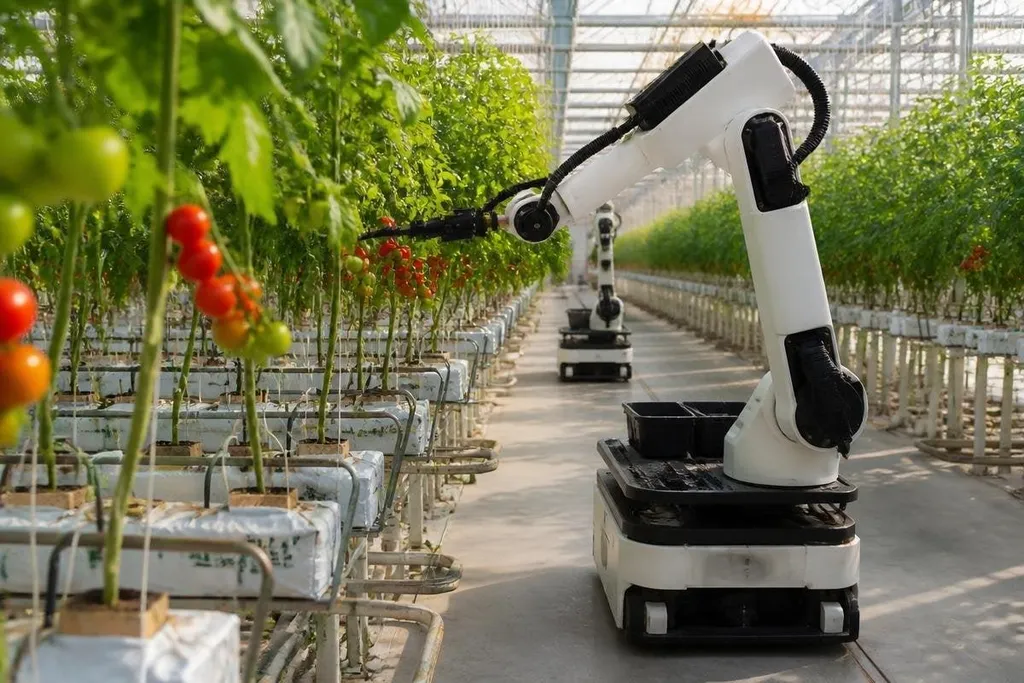
A greenhouse robot could move along rails, drive between rows, or work from a fixed station. Its job would depend on the crop and the layout.
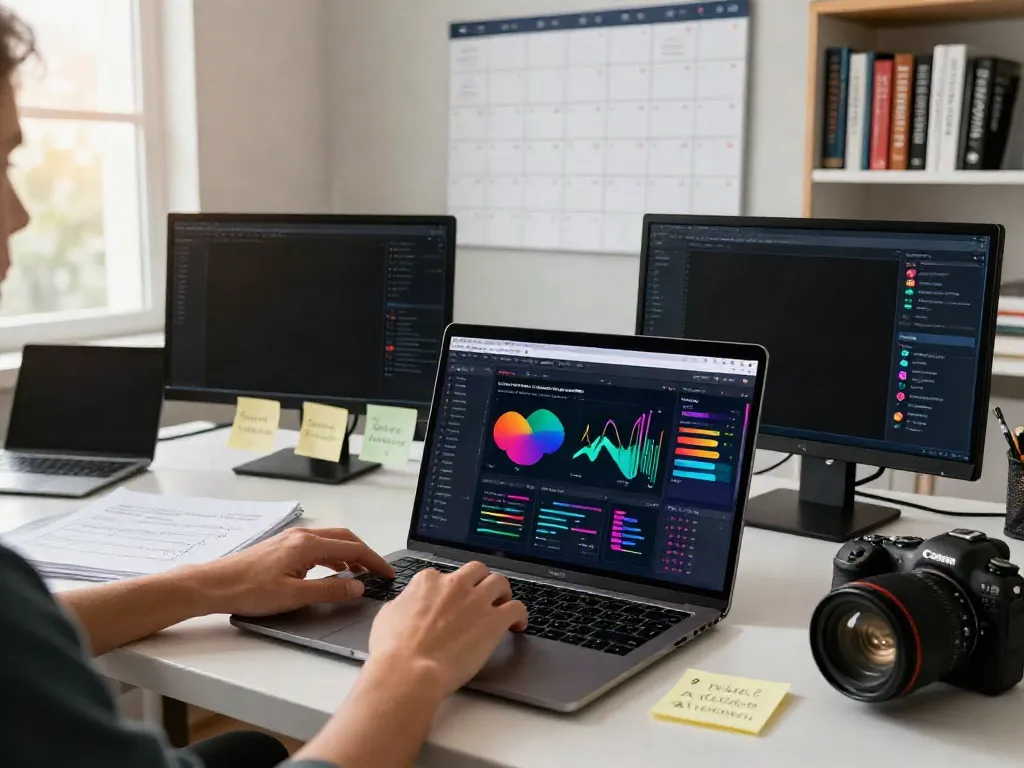
A camera could check leaf color, plant shape, or fruit size, while other sensors could measure temperature and moisture near the roots.
That information gives the control system a closer view of each growing area. If one row dries faster than another, the irrigation system could adjust that zone rather than sending the same amount of water everywhere. The robot would not grow the plant by itself. It would help the greenhouse react to small changes before they spread.
Some machines could carry trays from a nursery area to a growing rack. Others might remove damaged leaves or collect ripe produce. Those jobs sound similar, but the robot needs a different tool and a different set of rules for each one.
Why year-round growing needs machines
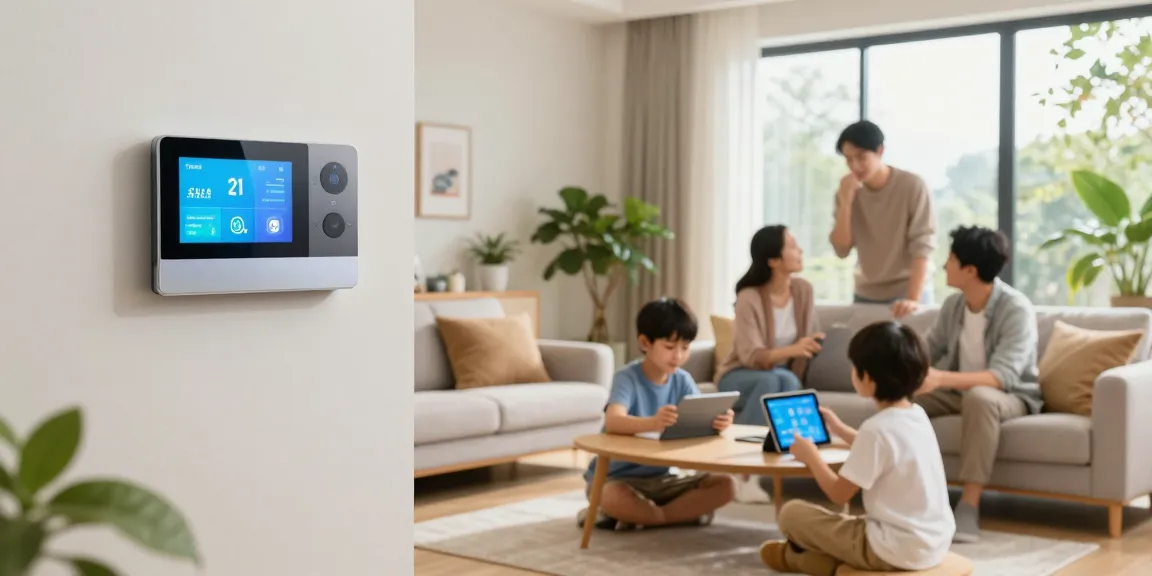
Outdoor farms depend on local weather and daylight. A greenhouse gives the grower more control, but that control takes work. Lights may run during short winter days, fans may move air, and pumps may keep water flowing through the root zone.
Robots could handle repeat tasks during those long growing periods. A machine that checks plants on a fixed route can return to the same rows and compare new images with older ones. That record may help a grower find a problem while it is still limited to a small area.
The work also has a timing problem. Plants do not wait for a convenient shift before they need water, support, or harvest. A robot can run on a planned schedule, though it still needs charging, cleaning, and a safe place to stop when a person enters the row.
A greenhouse row leaves little room for a robot to recover from a bad approach. Greenhouse robotics reporting from Robot24.com can show the crop, row width, end effector, and human work left after each run. That detail matters before a year-round growing plan counts the hours the robot saves.
The hard part is handling plants
Factory parts usually arrive in known shapes and positions. Plants do not. Leaves overlap, stems bend, and ripe fruit can hide behind other fruit. A camera may spot a tomato, but the robot still needs to reach it without pulling the stem or pressing against nearby growth.
That makes harvesting one of the harder jobs. A gripper must hold the food with enough force to move it, yet little enough force to avoid bruising. The robot also needs to know when to stop cutting, where to place the crop, and how to react when the view is blocked.
Inspection may arrive sooner than full harvesting because looking at a plant puts less force on it. A camera system can still make mistakes, though. Dust on a lens, changing sunlight, or a wet leaf can alter what the system sees.
Power, cost, and safety
Year-round growing needs electricity for climate control, pumps, and lights. Adding robots raises that load and adds motors, sensors, software, and service work. A grower has to compare those costs with the labor saved and the value of having food ready outside the usual outdoor season.
Safety also shapes the layout. A moving robot needs clear paths, stopping rules, and controls that workers can reach. Food contact adds another layer: tools and containers must be cleaned in a way that protects the crop.
The open question is not whether a robot can move through a greenhouse once. It is whether the system can do the same work for months while plants change shape and equipment collects dust.
A practical check for growers
Before buying or building a greenhouse robot, check:
- Crop fit: confirm that the robot can see, reach, and handle the plant at each growth stage.
- Task value: start with a repeat job, such as inspection or tray movement, that takes clear labor time.
- Row access: measure aisle width, turning space, floor changes, and places where people work.
- Service plan: set out who cleans sensors, changes batteries, and fixes a stopped machine.
- Food rules: check every surface and tool that may touch the crop.
- Proof period: run a small trial through changing plant sizes before expanding the system.
A greenhouse robot makes the most sense when it supports a known task and produces records a grower can check. I'd wait before paying for a machine that promises full crop care without showing long runs on the same crop.
The next useful proof will be a greenhouse trial that records plant inspections, harvest quality, stoppages, and power use through an entire growing season.